


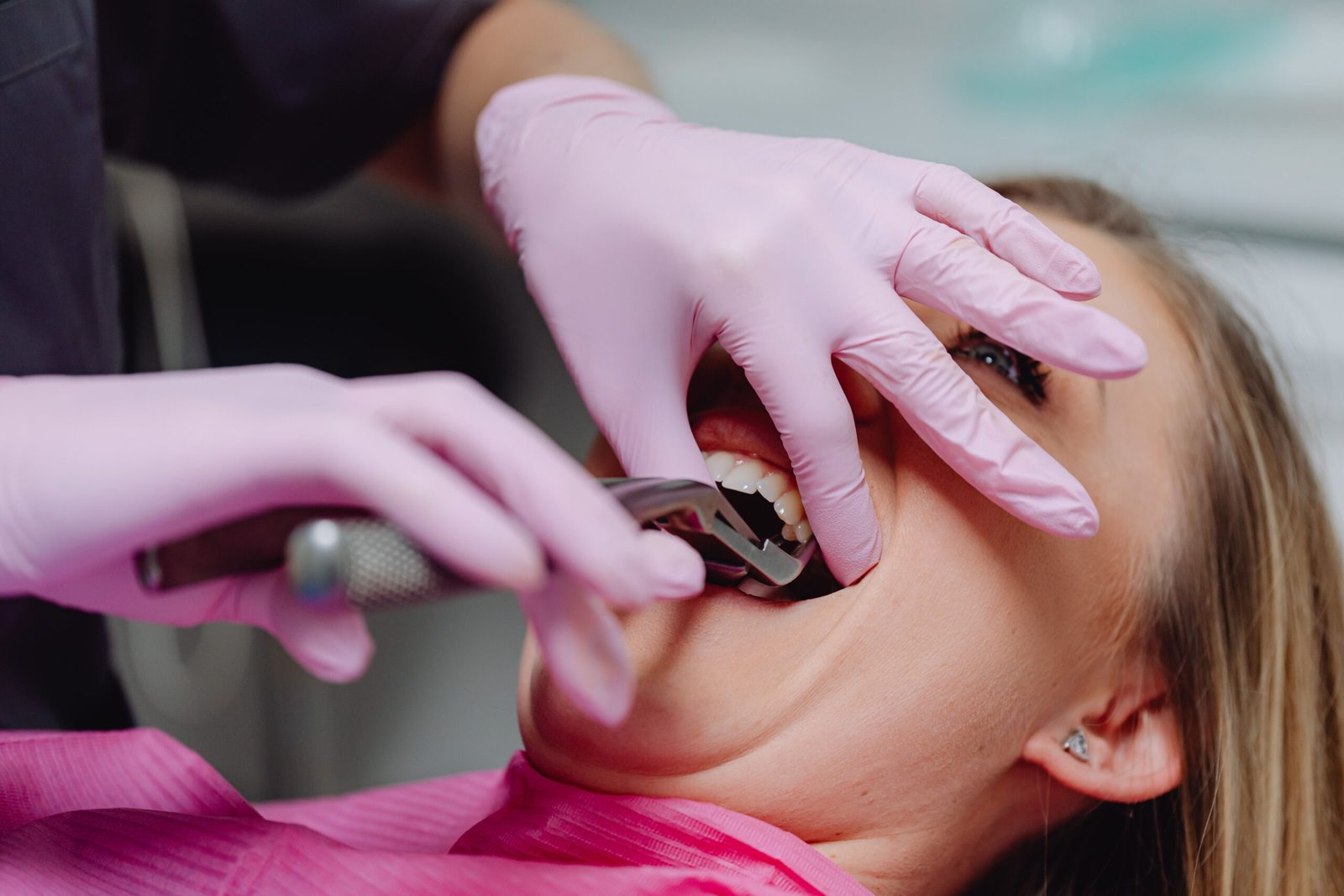
In moving through the recovery stage after an extraction, one should pay attention to proper post-operation care, especially concerning one’s regular diet. The consumption of certain foods helps in regaining tissues, protecting the socket from infections, and avoiding pain-related problems such as dry socket.
The patients receiving treatment in Pradeep Dental Clinic at Pushpa Nagar, Perundurai Main Road, Thindal, Erode, can be assured of proper guidance regarding their diets from their dentists.
What Should You Eat Immediately After a Tooth Extraction?
Immediately after a tooth extraction, you should consume smooth, cool, and non-chewable items like cold curd, blended smoothies (without a straw), cooled rasam broth, or plain ice cream. These cool temperatures soothe inflamed gum tissue, minimize swelling, and encourage rapid blood clot formation at the surgical site.
During the first 24 hours post-surgery, your body forms a critical blood clot inside the socket to cover exposed nerve endings and underlying jawbone. To safeguard this natural healing plug, adhere to these immediate dietary rules:
- Cold Yogurt & Curd: Rich in natural probiotics and soft enough to swallow without chewing pressure.
- Plain Ice Cream or Kulfi: Cool temperature helps induce localized vasoconstriction, reducing minor bleeding and swelling. Ensure it is free from hard nuts, chocolate chips, or crunch bits.
- Chilled Fruit Smoothies: Blended banana or avocado smoothies deliver essential vitamins without irritating the extraction area. Never use a straw.
- Cooled Clear Broths: Lukewarm or chilled vegetable or chicken broth provides essential electrolytes without thermal irritation.
Which Soft Foods Are Safe to Eat During the First Week of Recovery?
Safe foods during days 2 through 7 include lukewarm dal khichdi, mashed potatoes, soft idlis soaked in mild sambar, scrambled eggs, well-boiled oats, and fruit purees. Transitioning gradually to soft, nutrient-dense foods prevents mechanical trauma to the surgical site while giving your body the nutrition it needs to repair tissue.
As surgical tender sensitivity decreases over 48 to 72 hours, you can expand your diet to include soft-textured, easy-to-chew meals:
- Soft Rice & Lentil Dishes: Well-cooked curd rice, soft pongal, or mash-consistency dal khichdi are easy to consume without intense jaw movement.
- Mashed Vegetables: Steam and mash potatoes, sweet potatoes, carrots, or pumpkin with a touch of butter or ghee.
- Soft South Indian Staples: Idli or appam softened in mild broth or milk provide wholesome calories while remaining easy on the gums.
- Scrambled Eggs or Paneer Mash: High-protein options like scrambled eggs or soft paneer promote faster tissue repair and collagen synthesis.
Post-Tooth Extraction Food Guide
| Recovery Phase | Safe Food Options | Key Healing Benefits | Foods & Habits to Avoid |
| Day 1 (First 24 Hours) | Cold curd, ice cream, cool broths, fruit purees | Promotes blood clotting, reduces pain & swelling | Hot foods, spicy dishes, using straws, chewing near socket |
| Days 2–3 (Early Healing) | Mashed potatoes, soft idlis, oatmeal, scrambled eggs | Provides calories & protein without tissue friction | Crunchy chips, nuts, seeds, carbonated sodas, hard crusts |
| Days 4–7 (Tissue Repair) | Soft rice, steamed fish, soft pasta, boiled dal, paneer | Sustains energy levels & supports muscle recovery | Very sticky sweets, raw vegetables, chewing on extracted side |
What Foods and Beverages Must You Avoid to Prevent Dry Socket?
You must strictly avoid crunchy snacks (chips, murukku), spicy curries, hot soups, seeds, nuts, and alcoholic or carbonated beverages to prevent dry socket. Additionally, drinking through a straw creates negative suction pressure inside the mouth that can dislodge the protective blood clot, leading to severe bone exposure and delayed healing.
A dry socket (alveolar osteitis) is one of the most painful post-extraction complications. To ensure your socket heals smoothly, keep these dietary restrictions in mind:
- No Straws or Suction Action: The vacuum created by sucking through a straw easily pulls the blood clot out of place.
- Avoid Crunchy & Hard Textures: Foods like nuts, biscuits, toasted bread, and raw vegetables can fracture into sharp pieces and lodge in the open socket.
- Skip Extremely Hot & Spicy Foods: High heat increases blood flow to the area and can re-trigger bleeding, while spicy chilies irritate open oral tissue.
- Eliminate Small Seeds & Grains: Seeds from guava, sesame, or mustard can settle inside the socket cavity and harbor bacteria.
- Avoid Alcohol & Smoking: Alcohol thins the blood and interferes with prescribed pain management medication and antibiotics.
How Does Following Dentists’ Advice Speed Up Extraction Site Healing?
Adhering to professional post-extraction guidelines from your dental surgeon minimizes bleeding risk, reduces post-operative swelling, and prevents bacterial infection. Structured advice ensures that soft tissue closure and underlying bone remodeling occur on schedule with minimal discomfort.
At Pradeep Dental, patients receive tailored post-operative care plans suited to their specific extraction type (routine tooth removal or surgical wisdom tooth extraction).
Step-by-Step Post-Extraction Care Guidelines
- Maintain Gauze Pressure: Keep firm, gentle pressure on the cotton gauze pad placed over the extraction site for 45 to 60 minutes post-procedure.
- Stick to Cool & Soft Diet: Limit meals to smooth, cool foods for the first 24 hours, chewing exclusively on the opposite side of your mouth.
- Begin Warm Salt Water Rinses: Starting 24 hours after the extraction, gently swish with warm salt water (1/2 teaspoon salt in a glass of warm water) 3–4 times daily to keep the socket clean.
- Avoid Forceful Spitting or Rinsing: Gently let water fall out of your mouth rather than spitting forcefully, as spitting can dislodge the healing clot.
- Take Prescribed Medications as Directed: Complete your prescribed course of analgesics or antibiotics to control pain and prevent secondary infection.
Need Professional Dental Care in Erode?
Whether you require a routine dental checkup, wisdom tooth assessment, or post-extraction evaluation, expert care is nearby.
- Clinic Name: Pradeep Dental
- Address: Pushpa Nagar, Perundurai Main Road, Thindal, Erode, Tamil Nadu
- Services: Tooth Extractions, Root Canal Treatment, Dental Implants, Cosmetic Dentistry, & Preventive Care.
Frequently Asked Questions (FAQs)
How soon after a tooth extraction can I eat solid food?
You can slowly reintroduce solid foods after 7 to 10 days, or once the extraction socket has closed significantly and you no longer experience tenderness while chewing. Always start with softer solid foods before resuming a normal diet.
Why is drinking with a straw dangerous after a dental extraction?
Drinking with a straw creates negative pressure in your mouth. This suction force can easily dislodge the blood clot forming in the extraction socket, exposing the bone and nerves, which leads to a painful condition called dry socket.
What should I do if pain or bleeding persists after 3 days?
If severe pain, throbbing, or active bleeding continues past 3 days, contact your dentist immediately. Persistent pain may indicate a dislodged blood clot or localized infection that requires professional evaluation and soothing socket dressing at Pradeep Dental, Thindal, and Erode.
Disclaimer: The information provided in this blog post is for general informational purposes only. While we strive to keep the content accurate and up to date, we do not guarantee its completeness, reliability, or accuracy. Any actions you take based on this information are strictly at your own risk. We are not responsible for any losses, damages, or inconveniences that may arise from the use of this blog. For professional advice, please consult a qualified expert.